
Category: Lifestyle

Core Understanding of XAUUSD for Indian Gold Enthusiasts

What is XAUUSD

Gold’s timeless allure surges as XAUUSD prices climb amid global uncertainties, captivating Indian investors like never before. For gold enthusiasts in India, understanding this spot trading pair unlocks cultural wealth preservation and economic opportunities. Discover XAUUSD fundamentals, rupee-dollar dynamics, legal trading platforms, technical tools, festive strategies, and vital risk management—giving the power to timing your next golden move. What is XAUUSD? XAUUSD represents the spot price of one troy ounce of gold quoted in US dollars.

What is XAUUSD?

XAUUSD represents the spot price of one troy ounce of gold quoted in US dollars, traded 24/5 on international Forex platforms with daily volumes exceeding $200 billion. This follows the ISO 4217 standard, where XAU denotes gold and USD the US dollar. Indian gold enthusiasts use it to track the international gold rate beyond local MCX prices. To deepen your insight, what is XAUUSD in practical terms? It’s the key benchmark for global gold pricing.

One troy ounce equals 31.1035 grams, differing from the avoirdupois ounce of 28.35 grams used for everyday items. This precision matters for gold purity conversions, like comparing 24k gold bars to 22k gold jewelry. Traders convert rupee gold prices using current USDINR rates for accurate hedging.

Unlike MCX gold futures traded in 10g lots and INR denominated, XAUUSD offers direct USD gold exposure. MCX contracts expire monthly, while XAUUSD provides continuous spot access. This suits gold scalping or positional trading amid festival gold buying like Diwali or Akshaya Tritiya.

The LBMA Gold Price benchmark sets twice-daily auctions as a global reference, correlating 99% daily with COMEX futures. Pip value stands at $0.10 per pip on a standard lot, aiding risk management in gold volatility. Indian traders monitor this for gold loan decisions or sovereign gold bonds comparisons. Understanding what is XAUUSD empowers these comparisons.

Gold Spot Trading Explained

Gold spot trading executes immediate delivery contracts at current market price, unlike futures with expiry dates, offering leverage up to 1:100 on platforms like TradingView and MT4. This appeals to Indian gold enthusiasts seeking gold hedging against rupee depreciation. Traders buy or sell XAUUSD without physical delivery in most cases.

Typical bid/ask spreads range 0.3-0.5 pips, narrower than Zerodha’s 20 per lot on MCX. Lot sizes include standard 100oz, mini 10oz, and micro 1oz, with margin requirements of 1-3%. This flexibility supports beginner gold trading or advanced strategies like gold swing trading.

  • Standard lot: 100 troy ounces, ideal for gold positional trading.
  • Mini lot: 10 ounces, suits moderate gold investment risks.
  • Micro lot: 1 ounce, perfect for gold scalping with low exposure.

Trading hours run Sunday 10pm to Friday 10pm IST, providing 23/5 liquidity. International brokers offer tighter spreads than domestic ones like Upstox or Angel One. Use XAUUSD live charts for gold technical analysis, spotting support resistance or candlestick patterns tied to US dollar index movements.

Why Gold Matters to Indians

India consumes 800+ tons of gold annually, representing a large share of global demand, driven by cultural traditions where families spend 4-5 lakh average on wedding gold jewelry. This positions India as the top consumer according to World Gold Council insights. The RBI holds substantial reserves, around 803 tons, making up about 8% of Forex holdings.

Festival peaks amplify gold demand in India, with Akshaya Tritiya seeing sharp rises, Dhanteras following suit, and Diwali bringing even higher buying. These periods highlight gold’s role in celebrations. Indian gold enthusiasts track XAUUSD and rupee gold price closely during such times.

Urban buyers favor modern options like gold ETFs, sovereign gold bonds, and gold mutual funds for ease. Rural patterns lean toward physical forms such as coins and jewelry via local shops. This split shapes the Indian gold market, balancing tradition with investment needs.

Understanding these dynamics gives a core understanding of XAUUSD for trading spot gold or MCX gold futures. Gold acts as an inflation hedge and safe haven amid volatility. Festivals like Diwali gold buying underscore its enduring appeal.

Cultural and Economic Significance

Gold symbolizes prosperity in Hindu weddings and festivals, with substantial household savings going into physical gold. Brides often receive notable amounts, tying into deep-rooted customs. This drives wedding gold demand year-round for Indian gold enthusiasts.

Common forms include gold jewelry as the mainstay, followed by coins and bars. Jewelry prefers 22k gold for durability in daily wear. Coins come in sizes like 8g or 10g, such as Lakshmi coins, while bars suit bulk storage.

  • Jewelry: Dominant choice, often hallmarked for purity.
  • Coins: Popular in rural areas for gifting.
  • Bars: Used by investors seeking bullion.

BIS hallmark ensures 916 fineness for 22k gold, mandatory for trust. Retailers like Tanishq at around 6,500 per gram or Malabar Gold at 6,450 offer options. Economically, gold provides hedging with strong returns over bank fixed deposits.

Rural demand flows through cooperatives, focusing on physical assets. Urban investors mix gold trading via Zerodha gold or Upstox with traditional buys. This blend supports gold’s role in portfolios at 5-10% allocation for diversification.

XAUUSD Price Drivers

XAUUSD exhibits -0.85 correlation with DXY; $1 DXY rise typically drops gold $15-20/oz within 24 hours, per 20-year CME data. This USD strength holds the top weight at 35% among price drivers. Indian gold enthusiasts track it closely for spot gold movements.

Real interest rates rank second at 25%, showing an inverted relationship with the Fed funds rate versus gold chart. When rates fall, gold often rises as an inflation hedge. Central banks like RBI amplify this by adding reserves, with RBI buying 72 tons in 2024.

Inflation at 20% drives demand during high periods, while geopolitics (15%) acts as a safe haven trigger amid tensions. Supply and demand (5%) factors in mining output and festival buying like Diwali gold in India. Gold trading strategies adjust for these weights.

For MCX gold or gold futures, combine these drivers with rupee movements. Use gold charts for technical analysis like support resistance and moving averages. This core understanding aids gold investment decisions.

Global Factors Impacting Gold

Real yields below 1% trigger gold rallies; Fed rate cuts from 5.5% to 4.75% lifted XAUUSD from $2,300 to $2,650 in Sep 2024. US 10Y TIPS yield under 0.5% turns bullish for gold bullion. Indian investors watch this for international gold rate impacts.

Central bank buying supports prices, with record levels in recent years. Track COMEX net long positions above 200k contracts as bullish signals via COT reports. ETF outflows from GLD remain bearish, prompting caution in gold ETFs or mutual funds.

China demand via 400 tons imports bolsters global gold supply dynamics. Read COT reports weekly: focus on commercials versus speculators for sentiment. Combine with gold RSI or MACD for gold technical analysis in swing trading.

For Indian gold enthusiasts, these factors influence rupee gold price. Hedge with sovereign gold bonds during CB buying sprees. Monitor gold volatility from COMEX to LBMA gold price for arbitrage opportunities.

Rupee-Dollar Exchange Influence

10/USD depreciation adds 700-800/10g to MCX gold; USDINR at 84.50 makes XAUUSD $2,650 = 2,24,000/10g domestically. Use formula: MCX Gold = (XAUUSD x USDINR x 0.03215) + duties. This ties USD gold to local gold jewelry pricing.

In 2022, USDINR rose from 60 to 83 while gold gained less, showing currency outpaces spot gold at times. RBI sold $70B Forex to intervene, limiting extremes. Nifty shows -0.45 correlation, signaling risk-off flows into gold.

Hedge by buying XAUUSD when USDINR exceeds 83, ideal for gold positional trading. Factor India gold import duty and GST on gold for net costs. Track for festival gold buying like Akshaya Tritiya or Dhanteras.

Indian gold market players from Tanishq to rural buyers feel this. Use gold price calculators for 22k gold or 24k gold coins. Pair with gold loan options from Muthoot Finance for liquidity during volatility.

Trading XAUUSD in India

Indian traders access XAUUSD via SEBI-regulated brokers offering Forex CFDs with 1:20 leverage, margin 2,000-3,000 per lot. This setup follows FEMA 1999 rules, allowing residents to trade without direct COMEX access. Platforms like NSE, BSE, and MCX handle all operations legally.

Daily settlement is mandatory on these exchanges, reducing overnight risks for Indian gold enthusiasts. You can trade spot gold equivalents during MCX timings from 9am to 11:30pm. This fits well with local schedules for gold scalping or swing trading.

Gold volatility from US dollar index and Federal Reserve rates impacts XAUUSD charts. Use gold technical analysis tools like moving averages and RSI on platforms such as Kite. Always set stop-loss orders to manage leverage risks in gold positional trading.

For beginners, start with gold mini contracts on MCX to grasp pip value and lot size. Combine with physical gold knowledge like 22k gold purity for a core understanding. This approach supports gold hedging against rupee depreciation.

Legal Platforms and Brokers

Zerodha leads in trading volume among Indian brokers for XAUUSD on MCX. Angel One offers the best mobile app for quick gold chart access. All require KYC with PAN and Aadhaar for compliance.

BrokerGold SpreadLot SizeMarginPlatforms
Zerodha2.5 pips10g25,000Kite
Upstox3 pips10g24,000Upstox Pro
Angel One2.8 pips10g26,000Angel One
5Paisa4 pips10g22,000Trader Terminal

Choose based on gold spread and margin requirements for your strategy. Zerodha suits high-volume gold swing trading with low latency. Upstox works for beginners monitoring gold support resistance levels.

MCX timings from 9am to 11:30pm align with global sessions for gold liquidity. Avoid international brokers like IC Markets with 0.1 pips spreads due to FEMA violation risks. Stick to SEBI-regulated options for safe gold futures expiry handling.

Experts recommend checking gold correlation with DXY before trades. Use these platforms for gold options or mini contracts to build portfolio allocation of 5-10% in gold. This ensures diversification alongside gold ETFs or sovereign gold bonds.

Key Analysis Tools

TradingView hosts 50+ gold indicators with 10M monthly XAUUSD charts. The free plan works well for retail traders analyzing 1H-1D timeframes. Indian gold enthusiasts find it easy to track spot gold movements.

TradingView offers customizable charts for XAUUSD live charts. Users can overlay MCX gold futures alongside international gold rates. Premium plans at $15/mo add alerts for gold volatility spikes.

MT4 comes free via brokers like Zerodha or Angel One. It supports gold EA for automated trading on XAUUSD. MCX charting terminals provide rupee gold price data for gold futures.

Embed a live XAUUSD widget in TradingView for real-time gold price tracking. Combine tools for gold technical analysis on platforms suited to Indian trading hours. This setup aids gold swing trading and positional strategies.

Technical Indicators for Gold

Gold respects 200-day SMA (current $2,450 support) 75% of time. RSI>70 signals 82% pullback probability per 10-year backtest. These tools help Indian traders spot gold trends in XAUUSD.

Use EMA20/50 crossover for buy signals when EMA20 crosses above EMA50. Apply on 1H charts for short-term gold scalping. Sell on reverse crossover during gold corrections.

  • RSI14: Buy below 30, sell above 70 to catch overbought gold price levels.
  • MACD(12,26,9): Watch histogram crossovers for gold breakout confirmation.
  • Fibonacci retracement: Target 38.2% and 61.8% levels from recent swings.
  • Bollinger Bands(20,2): Trade squeezes for gold volatility expansion.
  • Pivot Points daily: Use S1/R1 for intraday support resistance in MCX gold.

TradingView Pine Script builds a gold dashboard combining these. Backtest on historical XAUUSD data for gold chart patterns. Focus on risk management with stop loss below key supports.

IndicatorCommon SettingBacktest InsightXAUUSD Use Case
EMA Crossover20/50Filters false signalsSwing trades
RSI14, 30/70Reduces pullback riskOverbought exits
MACD12,26,9Confirms momentumTrend entries
Fibonacci38.2%/61.8%High confluence zonesRetracement buys
Bollinger Bands20,2Volatility playsBreakout trades
Pivot PointsDailyIntraday levelsScalping targets

Festive Season Strategies

Gold surges 8-12% pre-Akshaya Tritiya (April 30-May 8 window). Short USDINR + long XAUUSD yielded strong returns in 2023 per Zerodha data. Indian gold enthusiasts can time gold trading around these festivals for potential gains.

Festival gold buying drives demand in India, especially during Akshaya Tritiya, Dhanteras, and Diwali. Physical demand for gold jewelry, gold coins, and 22k gold spikes, influencing the rupee gold price. Traders watch MCX gold contracts for volume surges on these days.

Strategy one involves buying XAUUSD around October 15, about 45 days before Dhanteras. This anticipates rising gold demand ahead of wedding season and festivals. Combine with GIFT City USDINR futures to hedge currency risk.

Strategy two focuses on selling at peaks near May 8 for Akshaya Tritiya or November 12 for Diwali. Use gold chart patterns like candlestick breakouts for exits. Always set stop loss gold levels to manage gold volatility.

  • Monitor gold support resistance pre-festive periods.
  • Track US dollar index impact on international gold rate.
  • Pair with gold ETFs or sovereign gold bonds for diversification.

Risks include monsoon demand drop, which can pressure prices. Rural gold buying slows during heavy rains, affecting spot gold. Balance with risk management gold like position sizing.

Seasonal Patterns in Indian Gold Market

Indian festivals create predictable gold price movements for enthusiasts. Akshaya Tritiya marks an auspicious start to gold purchases, boosting MCX Mini Gold volumes. Dhanteras and Diwali follow with heightened wedding gold demand.

These periods see spikes in gold bullion and hallmarked gold sales from brands like Tanishq or Malabar Gold. Gold technical analysis reveals moving averages crossing upward pre-festivals. Traders use RSI and MACD for entry signals.

Post-festival corrections offer buying opportunities. Watch gold Fibonacci retracements for pullbacks. Gold trends often resume with central bank buying or geopolitical tensions acting as tailwinds.

Practical Trading Combinations

Combine MCX gold futures with GIFT City instruments for efficient gold hedging. Long XAUUSD pairs well with short USDINR during rupee weakness. This setup suits gold swing trading around festivals.

For beginners, start with gold mini contract lots to limit exposure. Platforms like Zerodha or Upstox offer low margin requirements for gold investment. Track gold liquidity during MCX trading hours.

Advanced users explore gold options for defined risk. Sell calls at peaks or buy puts during gold correction. Always factor in India gold import duty and GST for physical conversions.

Managing Festive Risks

Monsoon gold demand dips can erase gains, hitting rural buyers hardest. Urban investors shift to digital gold via Paytm or PhonePe during rains. Diversify with 5-10% gold allocation portfolio.

Use gold moving averages to spot reversals early. Set trailing stops for leverage trading in XAUUSD live chart. Correlate with Nifty for equity-gold insights.

Risk Management Essentials

Limit risk to 1% account per trade: $10,000 account risks $100 max (33 pips SL on standard lot) using ATR-based stops (14-period ATR=25 pips daily). This approach protects capital in XAUUSD trading for Indian gold enthusiasts. It ensures longevity amid gold volatility driven by US dollar index and geopolitical tensions.

Follow these five essential rules for disciplined gold trading. They apply to spot gold, MCX gold futures, and gold ETFs. Proper execution minimizes losses from gold breakouts or corrections.

Position size = (Account x Risk%) / (SL pips x PipValue). For a $10,000 account risking 1%, with 27-pip SL and $10 pip value, size at 0.37 lots.

  • 1:2 Risk/Reward minimum. Risk $100 to target $200 profit, aligning with gold trends and support resistance levels.
  • Max 3% daily drawdown. Stop trading if losses hit this threshold to avoid emotional decisions in gold scalping or swing trading.
  • Correlation check: Avoid Gold + Nifty same direction. Nifty gold correlation often signals equity market gold risks during festival gold buying seasons like Diwali.
  • Weekly review. Analyze gold chart, RSI, MACD, and candlestick patterns to refine strategies.

Consider this example: $2,650 long on XAUUSD, SL $2,623 (27 pips), TP $2,704. This meets 1:2 ratio for rupee gold price hedges. Always watch leverage warning: SEBI caps at 1:20 max for Indian traders on Zerodha gold or Upstox gold platforms.

Experts recommend embedding a position size calculator in your trading setup. Input account size, risk percent, SL pips, and pip value for instant sizing. This tool supports gold positional trading while respecting margin requirements and gold lot size on MCX gold mini contracts.

Frequently Asked Questions

What is the Core Understanding of XAUUSD for Indian Gold Enthusiasts?

XAUUSD represents the trading pair for gold priced in US dollars, where XAU is the ISO code for gold and USD is the US dollar. For Indian gold enthusiasts, the Core Understanding of XAUUSD involves grasping how global gold prices influence domestic prices in rupees, factoring in import duties, GST, and currency exchange rates, making it essential for informed trading and investment decisions.

Why should Indian Gold Enthusiasts care about XAUUSD prices?

Indian gold enthusiasts should monitor XAUUSD as it sets the international benchmark for gold pricing. The Core Understanding of XAUUSD helps predict rupee-denominated gold rates, especially during festivals like Diwali or Akshaya Tritiya, allowing better timing for physical gold purchases or Forex trading to hedge against inflation and rupee depreciation.

How does XAUUSD relate to physical gold buying in India?

XAUUSD directly impacts the landed cost of gold in India. A Core Understanding of XAUUSD for Indian Gold Enthusiasts includes calculating import costs: XAUUSD price x USD/INR rate + 15% customs duty + 3% GST, helping enthusiasts decide between buying sovereign gold bonds, ETFs, or physical bars/jewelry profitably.

What factors influence XAUUSD movements relevant to Indians?

Key drivers of XAUUSD include US Federal Reserve policies, geopolitical tensions, and dollar strength. For a Core Understanding of XAUUSD for Indian Gold Enthusiasts, note how rising XAUUSD amid a weakening rupee boosts local gold prices, while RBI interventions in Forex markets can amplify or mitigate these effects on Indian markets.

How can Indian traders access XAUUSD for investment?

Indian enthusiasts can trade XAUUSD via SEBI-regulated Forex brokers offering international pairs or through MCX gold futures. The Core Understanding of XAUUSD emphasizes using leverage cautiously (up to 20x on some platforms), starting with demo accounts, and aligning trades with cultural gold demand peaks for optimal returns.

What risks are involved in XAUUSD trading for Indian Gold Enthusiasts?

Risks include high volatility from global events, leverage-induced losses, and rupee fluctuations. A solid Core Understanding of XAUUSD for Indian Gold Enthusiasts involves risk management like stop-loss orders, diversifying with gold ETFs, and staying compliant with FEMA regulations to avoid penalties on overseas trading.
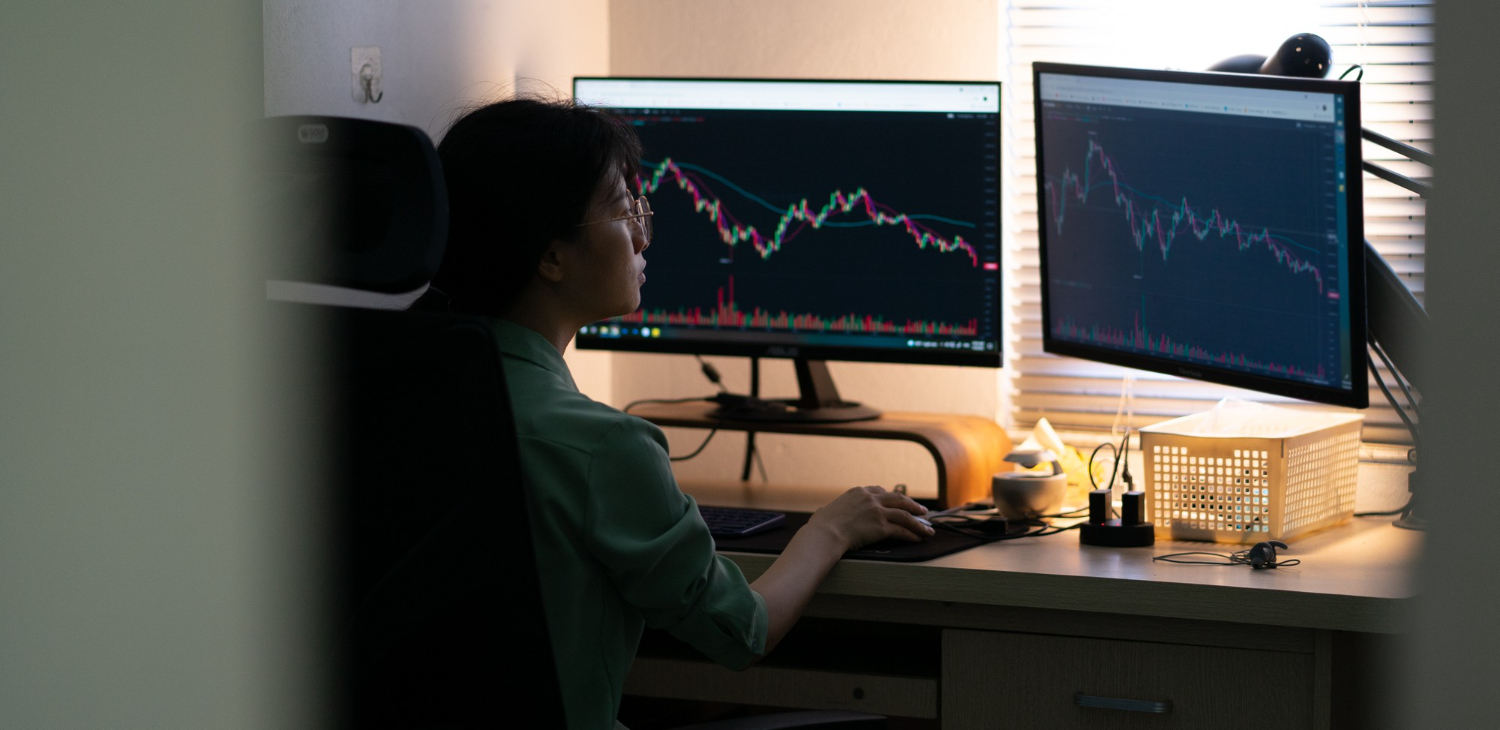

Categories: Lifestyle

MT5 in Ghana: Unlock Advanced Trading Tools & Opportunities for Financial Growth

MT5

Trading has seen remarkable growth in Ghana, with more individuals exploring digital platforms to invest and grow their wealth. Among these platforms, MetaTrader 5 (MT5) stands out as a popular choice for traders seeking advanced tools and a seamless trading experience. Its versatility and powerful features have made it a go-to platform for both beginners and experienced investors.

MT5 offers a range of benefits, from multi-asset trading to robust analytical tools, making it ideal for navigating Ghana’s dynamic financial markets. As the country embraces modern trading solutions, understanding how MT5 works and its advantages can empower traders to make informed decisions and maximise their potential.

Overview Of MT5 In Ghana

MT5 has become a notable trading platform in Ghana due to its extensive features and adaptability. It supports trading across various asset classes, including forex, stocks, indices, and commodities, catering to both beginner and advanced traders. Its multi-device compatibility ensures accessibility, offering seamless performance on desktops, mobiles, and web platforms.

The platform’s advanced analytical tools are pivotal for traders in Ghana’s dynamic markets. With over 80 technical indicators and interactive charts, it enables precise market analysis. Its economic calendar and financial news feed help traders stay updated on global trends that may impact local trading decisions.

Brokers operating in Ghana often provide access to MT5 due to its reliability and security. The platform’s encrypted communication and support for multi-currency accounts align with Ghana’s growing demand for secure and diverse trading options. Many brokers also offer demo accounts, allowing traders to familiarise themselves with the platform before engaging in live trading.

The localization of MT5 further enhances its usability in Ghana. With several language options and adaptable trading environments, it accommodates the diverse needs of the Ghanaian trading community.

Features And Benefits Of MT5

MT5 enhances trading in Ghana by offering advanced tools, multi-asset capabilities, and an intuitive interface. Its diverse functionalities cater to both beginner and experienced traders.

Advanced Trading Tools

MT5 includes over 80 built-in technical indicators and 21 timeframes for detailed market analysis. Tools like an economic calendar and depth of market provide real-time data for informed decisions. It also supports automated trading through Expert Advisors (EAs), enabling efficient strategy implementation and execution.

Multi-Asset Trading Capabilities

The platform facilitates trading across forex, stocks, commodities, indices, and cryptocurrencies. Support for multiple asset classes allows traders to diversify portfolios and exploit various market opportunities. Its one-click trading feature speeds up execution across asset categories.

User-Friendly Interface

MT5’s layout simplifies navigation with customisable charts, toolbars, and trading windows. Its multi-device compatibility ensures seamless trading on desktops, mobiles, and browsers. Beginners benefit from demo accounts and user tutorials, while advanced traders appreciate extensive analytical options.

Adoption Of MT5 In Ghana

MT5 adoption in Ghana reflects the platform’s effectiveness in empowering traders with advanced tools and diverse trading options. Its widespread identification as a reliable trading solution is driving uptake among various market participants.

Popularity Among Traders

Traders in Ghana widely adopt MT5 for its multi-asset functionality and accessibility. Beginners value its demo accounts and simplified interface for learning market basics, while experienced traders rely on advanced analytical tools like technical indicators and algorithmic trading through Expert Advisors (EAs). Mobile compatibility makes it ideal for traders managing assets remotely, aligning with the growing usage of smartphones across the country. The platform’s ability to trade forex, indices, and cryptocurrencies meets the interests of a fast-evolving trading community.

Key Industries Utilising MT5

The financial trading sector in Ghana heavily utilises MT5 for speculative and hedging purposes. Key industries such as agriculture and mining benefit from commodity trading capabilities, allowing stakeholders to manage risks associated with price volatility. The technology sector adopts MT5 for cryptocurrency trading, aligning with increased interest in digital currencies. Additionally, businesses engaged in international trade explore forex trading on MT5 to address currency fluctuations. The platform’s flexibility appeals to both individual and institutional users, ensuring its integration across diverse economic sectors.

Advantages Of Using MT5 In Ghana

MT5 offers significant advantages for traders in Ghana, empowering them with advanced tools and broader access to financial opportunities. By combining innovative features with global connectivity, it enhances trading efficiency and market participation.

Enhanced Opportunities For Local Traders

MT5 supports local traders with tools designed to maximise trading potential in Ghana’s financial markets. The platform’s advanced analytical features, such as 21 timeframes and over 80 technical indicators, equip traders with precise insights for decision-making. Automated trading through Expert Advisors (EAs) enables users to execute strategies efficiently, reducing the manual workload.

Customisable layouts and interactive charts simplify navigation, making MT5 accessible to both novice and experienced traders. The availability of demo accounts allows users to practice in a risk-free environment before engaging with live markets. Local traders benefit from one-click trading functionality, ensuring faster execution during volatile market conditions.

Access To Global Markets

MT5 enables Ghanaian traders to access international markets, expanding investment possibilities across multiple asset classes. Its multi-asset functionality supports forex, stocks, commodities, indices, and cryptocurrencies, allowing diversification. This capability aligns with Ghana’s growing interest in global investment trends.

Real-time economic calendars and financial news feeds keep traders informed about global events that influence market movements. The platform also facilitates trading in international currencies, helping businesses manage risks associated with exchange rate fluctuations. Cross-device compatibility ensures seamless access to these markets from desktops, mobile devices, and web platforms, promoting continuous trading activities remotely.

Challenges Associated With MT5 In Ghana

Adopting MT5 in Ghana faces several obstacles despite its growing popularity. These challenges impact accessibility, usability, and awareness among traders.

Internet And Technological Barriers

Reliable internet connectivity and advanced technology are essential for seamless MT5 usage. In Ghana, inconsistent internet speeds and high data costs hinder real-time trading and platform efficiency. Traders in remote areas struggle with network reliability, affecting access to crucial market updates. Limited access to high-performance devices further exacerbates the issue, as MT5’s advanced analytics demand devices with substantial processing power.

Lack Of Awareness And Education

Awareness of MT5 and its features remains limited among segments of the Ghanaian trading community. Many potential traders lack knowledge of how to use the platform’s sophisticated tools, such as algorithmic trading or multi-asset access. A shortage of educational resources in local contexts adds to the problem, leaving traders unable to maximise MT5’s capabilities. Additionally, some brokers don’t provide targeted training, creating a gap in understanding for those new to trading.

Tips For Successful Trading With MT5 In Ghana

Effective use of MT5 in Ghana requires strategic planning and informed decision-making. Traders can enhance their experience by focusing on critical aspects like broker selection and market awareness.

Choosing A Reliable Broker

Selecting a trusted broker improves trading efficiency and platform access. Traders should verify that the broker offering MT5 is regulated by recognised financial authorities like the Ghana Securities and Exchange Commission (SEC). Regulatory oversight adds a layer of protection for investments.

Evaluating service quality is essential. Features like competitive spreads, low commissions, and prompt customer support help ensure smooth trading. Brokers providing multi-currency accounts and localised payment methods streamline transaction processes. Beginners benefit from brokers offering demo accounts and educational resources to learn MT5 functionalities.

Staying Informed About Market Trends

Informed trading decisions depend on access to accurate and timely market data. Traders using MT5 in Ghana can utilise its in-built economic calendar and financial news feed for tracking global events influencing asset prices. Real-time updates on economic reports, interest rate changes, and geopolitical events are particularly valuable in forex and stock trading.

Analysing Ghana’s local market movements is equally important. Monitoring the performance of local currencies like the Ghanaian cedi or industries tied to commodities helps traders predict market shifts. Combining global insights with local market data maximises trading opportunities while reducing risks.

Conclusion

MT5 has become a game-changer for traders in Ghana, offering advanced tools, multi-asset capabilities, and accessibility across devices. Its features empower both beginners and experienced traders to navigate the financial markets with confidence, supporting informed decision-making and efficient trading strategies. Despite challenges like internet limitations and a lack of awareness, MT5 remains a powerful platform for unlocking local and global investment opportunities. By selecting reliable brokers and utilising the platform’s tools effectively, traders can enhance their potential and adapt to the dynamic trading landscape in Ghana.

Categories: Lifestyle

Beyond the Label: How Hotel Shampoo Packaging Is Evolving Toward Sustainability

hotel shampoo packaging

Introduction: Small Bottles, Big Impact

When checking into a hotel, most guests expect to find small, neatly arranged toiletries—shampoo, conditioner, body wash—waiting by the sink or in the shower. These tiny amenities, especially shampoo bottles, play a surprisingly big role in shaping the guest experience. But they’re more than just practical. In today’s environmentally conscious world, hotel shampoo packaging has become a focal point for discussions about sustainability, aesthetics, and functionality.

As hotels navigate increasing pressure to reduce waste and appeal to eco-conscious travellers, the design and packaging of these small bottles are undergoing a major transformation. No longer just about branding and convenience, today’s shampoo packaging is part of a bigger movement toward environmental responsibility and innovative guest-centered design.

This article explores how hotel shampoo packaging is evolving—highlighting the intersection of functionality, aesthetics, and sustainability, and what it means for hotels, guests, and the planet.

1. The Functionality Factor: More Than Just a Container

At its core, hotel shampoo packaging must perform a simple function: hold and dispense liquid shampoo in a hygienic, leak-proof, and user-friendly way. However, how this functionality is achieved varies widely across the hospitality industry.

Key considerations for functionality include:

  • Ease of use: Guests should be able to open and close the bottle without difficulty, even with wet hands.
  • Portion control: Proper dosage helps prevent waste while ensuring guests feel the product is generous.
  • Leak prevention: Packaging must survive transport, stocking, and regular guest use without mess.
  • Refillability: In modern sustainable models, bottles are often designed to be refilled by hotel staff instead of discarded.

More hotels are now shifting from single-use mini bottles to wall-mounted dispensers with tamper-resistant mechanisms that balance hygiene and convenience while drastically reducing plastic usage.

2. Aesthetic Appeal: Creating Brand Impressions in the Bathroom

First impressions matter—and for many hotels, the bathroom is a silent ambassador for the brand. The look and feel of hotel shampoo packaging directly affect perceived luxury, cleanliness, and attention to detail.

From minimalist Scandinavian-inspired containers to elegant embossed bottles in five-star suites, packaging aesthetics have evolved from generic plastic containers to boutique-style, custom-branded amenities.

Visual elements hotels often consider:

  • Color palette: Matching the interior design and brand theme.
  • Typography and labeling: Clean, legible fonts that reflect quality.
  • Material choice: Matte finishes, glass-like PET, or bamboo-capped containers.
  • Scent and branding tie-ins: Ensuring consistency with the hotel’s signature fragrance or wellness theme.

A visually appealing shampoo bottle can leave a lasting impression—especially in an era of social sharing where bathroom photos occasionally make it to Instagram.

3. The Sustainability Shift: From Plastic Waste to Eco-Conscious Innovation

The biggest—and most important—change in hotel shampoo packaging is the growing move toward sustainability. With millions of small plastic bottles discarded each year by the hospitality industry, the environmental cost has become too significant to ignore.

Key sustainability innovations include:

a) Bulk Dispensers

Hotels worldwide are switching to bulk dispensers that can be refilled regularly by housekeeping. This method:

  • Reduces single-use plastic waste by up to 90%
  • Lowers packaging and shipping costs
  • Minimizes inventory turnover

Leading chains like Marriott, IHG, and Hyatt have adopted this approach across thousands of properties globally.

b) Biodegradable and Recyclable Materials

Some boutique and eco-resorts are now using bottles made from:

  • Post-consumer recycled (PCR) plastic
  • Cornstarch-based bioplastics
  • Aluminum, which is infinitely recyclable
  • Glass in premium or refill models

Each choice comes with trade-offs in durability, cost, and user safety—but all signal a move away from virgin plastic.

c) Solid Shampoo Bars and Waterless Solutions

An emerging trend is the replacement of liquid shampoo altogether with solid shampoo bars or concentrated powder formulas. These:

  • Eliminate the need for plastic bottles entirely
  • Reduce shipping weight and carbon footprint
  • Offer a “zero-waste” bathroom solution for forward-thinking properties

While not yet mainstream, these formats appeal strongly to the eco-conscious traveller demographic.

4. Regulations and Industry Pressure: A Push for Accountability

In some regions, sustainable shampoo packaging is no longer just a choice—it’s a legal requirement.

  • California, for instance, passed legislation banning hotels from providing small plastic toiletry bottles (under 6 oz) in rooms, effective in 2023 for large hotels and 2024 for smaller ones.
  • European Union initiatives encourage reduced plastic use through eco-label certifications for green hotels.
  • Sustainable Travel Certifications now include criteria related to amenity packaging and waste reduction.

These regulations are nudging hotels toward innovation while also reshaping guest expectations. Sustainability is no longer an optional perk—it’s becoming a standard benchmark of hospitality quality.

5. Guest Perception and the Marketing Value of Going Green

Today’s travellers—especially millennials and Gen Z—value brands that align with their ethics. Surveys show that:

  • Over 70% of guests prefer hotels that offer sustainable options
  • Guests are more likely to leave positive reviews or return to eco-friendly properties
  • Many are willing to pay more for a stay that supports environmental causes

For hotels, this means that investing in sustainable shampoo packaging isn’t just about reducing plastic—it’s also a branding opportunity and a way to enhance the guest experience.

Clearly labeled eco-friendly packaging with messaging like “Refill, Don’t Throw Away” or “100% Recycled Plastic” communicates care, quality, and responsibility. In the age of transparent branding, that matters.

6. Challenges and the Path Forward

Despite the benefits, hotels still face challenges in adopting sustainable shampoo packaging:

  • Upfront costs of bulk dispensers or biodegradable materials
  • Refill logistics and staff training
  • Guest misconceptions about hygiene or quality in refill models

However, the long-term benefits—reduced operational costs, increased brand loyalty, and regulatory compliance—make the shift worthwhile.

The industry is moving toward solutions that balance aesthetics, function, and sustainability, and brands that make the change early will likely lead the market.

Conclusion: Designing a Greener Guest Experience, One Bottle at a Time

Hotel shampoo packaging may seem like a small detail, but its impact is anything but. In an industry that serves millions of guests daily, rethinking packaging choices is both a practical necessity and a moral responsibility.

By evolving from single-use plastics to elegant, refillable, and eco-friendly options, hotels can reduce waste, elevate their brand, and contribute to a more sustainable future. It’s not just about what’s inside the bottle—but how the bottle itself tells the story of innovation, care, and conscious hospitality.

For hoteliers, designers, and travellers alike, the future of shampoo packaging is clear: it’s greener, smarter, and more intentional than ever before.

Categories: Lifestyle

Single-Family Homes vs. Townhouses vs. Townhomes: What’s the Difference?

family homes

Introduction: Choosing the Right Home Type Starts with Understanding the Basics

If you’re in the market for a new home, you’ve likely come across terms like single-family homes, townhouses, and townhomes. At first glance, these terms might seem interchangeable, but in reality, they represent distinct types of properties—each with their own unique features, ownership models, and lifestyle considerations.

Understanding the differences between these property types is crucial, especially if you’re comparing pricing, maintenance needs, and long-term investment value. In this guide, we’ll explore what sets single-family homes, townhouses, and townhomes apart to help you make the most informed decision for your next move.


What Is a Single-Family Home?

A single-family home is a detached residential property that sits on its own lot and doesn’t share walls with any other structure. It’s one of the most traditional and popular housing types, particularly in suburban and rural settings.

Key Features:

  • Fully detached structure with no shared walls
  • Usually includes a front yard, backyard, and private driveway
  • The homeowner owns both the structure and the land it sits on
  • Greater privacy and freedom for customization
  • Typically higher maintenance responsibilities and costs

Who It’s Best For:

Single-family homes are ideal for families, homeowners seeking space and privacy, and those who prefer to maintain and customize their property freely. They’re often more expensive but offer greater long-term value, especially in desirable neighborhoods.


What Is a Townhouse?

A townhouse is a multi-level property that shares one or two walls with adjacent properties. While townhouses are individually owned, they’re part of a row of homes built side-by-side and are common in both urban and suburban developments.

Key Features:

  • Shares walls with neighboring homes
  • Usually multiple stories (2 or 3 floors)
  • Homeowner owns both the interior and exterior of the unit, including the land beneath it
  • Often includes a small private yard or garage
  • May have a Homeowners Association (HOA) with monthly fees for shared maintenance

Who It’s Best For:

Townhouses are great for young professionals, small families, and those who want a balance between affordability and ownership. They offer more space than condos and typically lower maintenance responsibilities than single-family homes.


What Is a Townhome?

The term townhome is often used interchangeably with townhouse, but in some markets, “townhome” can refer to a slightly different type of ownership or architectural style. In general, both terms refer to similar row-style properties with shared walls—but in some regions, townhomes may belong to a condominium association, meaning you only own the interior space, not the land.

Key Features:

  • Architecturally similar to townhouses
  • Can vary in ownership model (fee simple or condo)
  • HOA often covers exterior maintenance, landscaping, and common areas
  • Typically includes access to shared amenities like pools, gyms, or parks

Who It’s Best For:

Townhomes appeal to low-maintenance lifestyle seekers who still want the feel of a home rather than an apartment. Because of the shared maintenance and communal spaces, they’re often found in planned communities or gated developments.


Comparing the Three Home Types:

To help you visualize the differences, here’s a side-by-side comparison of single-family homes, townhouses, and townhomes:

FeatureSingle-Family HomeTownhouseTownhome
StructureDetachedAttached (shares walls)Attached (shares walls)
OwnershipHouse & landHouse & land (fee simple)Usually interior only (condo)
HOA InvolvementOptional or noneOften requiredTypically required
Privacy LevelHighModerateModerate
Maintenance ResponsibilityHomeowner handles allShared via HOA (partial)Mostly HOA-handled
Outdoor SpacePrivate yardSmall yard or patioSmall yard or shared space
Cost (average)HighestMid-rangeMid to lower range

Ownership Considerations: Fee Simple vs. Condominium

Understanding ownership structure is important when choosing between townhouses and townhomes. Most townhouses are sold as fee simple properties, meaning you own the building and the land beneath it. In contrast, townhomes may be legally classified as condominiums, where you only own the interior and share ownership of the exterior and land with the community.

This distinction affects everything from:

  • Monthly HOA fees
  • Maintenance responsibilities
  • Property taxes
  • Resale value

When buying a townhouse or townhome, be sure to ask your real estate agent about the type of ownership and what the HOA covers.


Pros and Cons Summary

Single-Family Homes

Pros:

  • Full privacy
  • Large outdoor space
  • Freedom to customize and expand

Cons:

  • More expensive
  • Higher property taxes and insurance
  • All maintenance is the owner’s responsibility

Townhouses

Pros:

  • More affordable than detached homes
  • Some private outdoor space
  • Ownership of structure and land

Cons:

  • Less privacy
  • HOA fees may apply
  • Shared walls may impact noise levels

Townhomes

Pros:

  • Low maintenance
  • Community amenities
  • Lower upfront cost in many cases

Cons:

  • Limited customization
  • HOA restrictions
  • May not include land ownership

Conclusion: Choose Based on Lifestyle, Budget, and Long-Term Goals

When choosing between single-family homes, townhouses, and townhomes, there’s no one-size-fits-all answer. Each property type has its advantages and trade-offs, depending on your lifestyle, financial goals, and maintenance preferences.

  • If you’re looking for space, privacy, and long-term investment potential, a single-family home is the best fit.
  • If you want more space than a condo but less maintenance than a house, a townhouse offers a balanced option.
  • If you prioritize affordability, amenities, and convenience, a townhome might be perfect for you.

Before you buy, consider your future plans, neighborhood preferences, and financing options. Consulting with a local real estate expert can help you navigate the differences and make the choice that’s right for you.

Categories: Lifestyle